What does an active shooter security and readiness assessment include?
An assessment examines facility operations, grounds and physical security design (e.g., outdoor barriers, façade and entrance design, lobby entry control, safe room availability, and egress), security and emergency infrastructure (e.g., mass notification systems, panic alarms, CCTV, electronic access control, and radio systems), policies and procedures, employee knowledge and training, and emergency response preparations. Based on the findings, our consultants assist clients in developing a prioritized improvement strategy considering risk reduction benefit, risk appetite, budget, and unique operational needs.
What is an active shooter vulnerability assessment?
A vulnerability assessment identifies physical, operational, and procedural security gaps that would influence the outcome of an armed attack — issues such as uncontrolled entry points, inadequate lockdown capability, absence of safe refuge rooms, and alert systems incapable of quickly reaching all building occupants. CIS evaluates facilities against the historical behavior of attackers during active shooter events and performance-based security design principles rather than generic checklists.
How does physical security design reduce active shooter risk?
Physical security influences the consequences of an attack by frustrating and delaying adversary access to potential victims until police intervention. Effective designs employ multiple protective layers — site barriers, façade and entrance design, access-controlled interior doors, and safe refuge rooms — supported by emergency communication systems that enable occupants to react during the earliest moments of an event.
Should active shooter security be addressed during new facility design?
Yes. Establishing effective security criteria and specifications in the earliest phases of architectural design provides the best opportunity to cost-effectively mitigate active shooter risk and avoid mistakes that are often expensive and difficult, if not impossible, to correct later. When engaged early, CIS consultants assist architects in designing physical security and emergency infrastructure while preserving an aesthetic environment that supports workforce activity and public image.
What types of organizations do active shooter security consultants assist?
CIS active shooter security consultants have assisted organizations worldwide including corporations, schools and universities, houses of worship, government agencies, financial institutions, hotels, and community organizations. Assessment methodology and recommendations are adapted to the operational realities of each environment — a corporate campus, a sanctuary, and a school present very different security design problems.
What credentials should an active shooter security consultant have?
Relevant qualifications include board certifications such as PSP® (Physical Security Professional) through ASIS International, participation in industry standards development, and a documented history of assessment, design, and training work. CIS consultants possess PSP®, cATO®, CPP®, and CPS certifications and served as committee members in the development of the active assailant supplement for ASIS International’s WVPI-2020/AA, Workplace Violence and Active Assailant — Prevention, Intervention, and Response Standard.
How does a readiness assessment differ from workplace violence prevention planning?
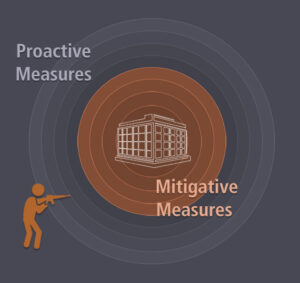
Prevention planning addresses the front end of risk — workplace violence prevention policies, threat assessment and management, and reporting culture — to reduce the probability of an attack. A security and readiness assessment addresses consequences: the physical security and emergency preparations that determine outcomes if prevention measures fail or an attacker evades proactive influence. Robust risk management programs integrate both.
Does CIS provide active shooter response training for employees?
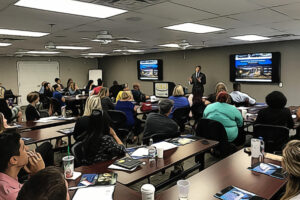
Yes. CIS conducts private workplace violence awareness and active shooter response training sessions for employee groups, onsite or by webinar, customized to each facility’s emergency communications and response procedures. See our active shooter and workplace violence training for employees page for details.